

Brown Onions.
Plus my recipe for 30-Minute Onion Butter Pasta (aka French Onion Soup Pasta)
Welcome to ingredient, where once a month I take a deep dive into some of my favourite seasonal and store cupboard ingredients. This month I’m focusing on Brown onions: the kitchen workhorse found in almost every culture’s cuisine and which so often form the backbone of that essential question: what shall we make for dinner tonight?
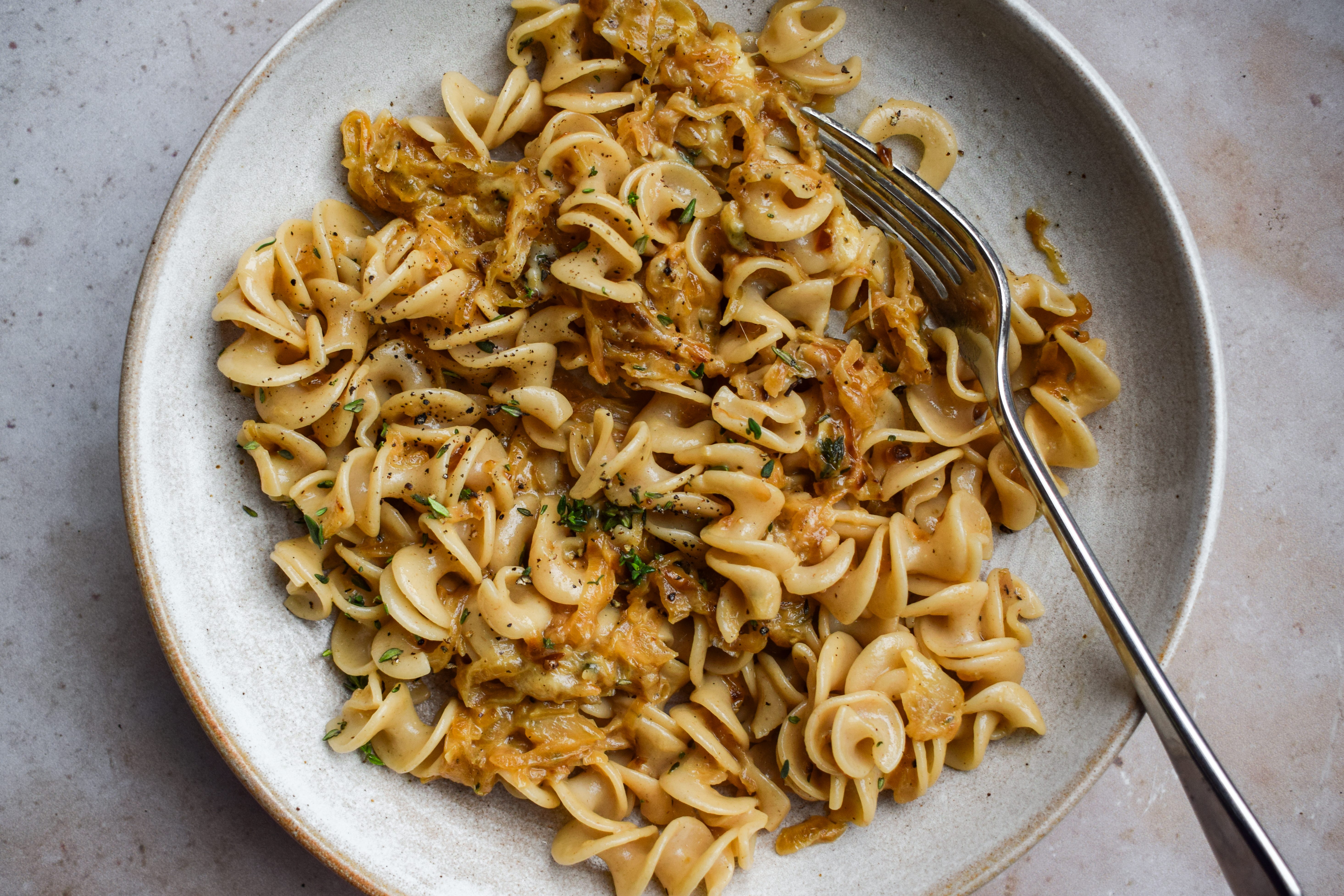
As I want finishing up this month’s recipes to be a very much mood-based activity, and as around the time you’ll be reading this I should be boarding our flight back from Norway I don’t know what I’ll fancy making with my beloved alliums for paid subscribers, though I do already have some strong ideas - never fear! But today I’m just going to leave you with a surprisingly 30-minute pasta of quick caramelised mushrooms, woody thyme and Norwegian cheese I concocted as I ordered thicker socks online watching forecast temperatures for our trip drop below -12C. It’s hearty, warming, and just the thing on a frigid night.
If someone has shared this post with you (please thank them for me!) and you’re not already a subscriber, do hit the button below so you don’t miss out! And if you fancy exploring the archives for more seasonal inspiration, last February I shared an ode to dried dates, along with a tasty Chicken with Dates and Olives traybake:

Irritatingly, I can’t find it online anymore but one of my favourite ‘negative’ customer reviews I received for One Pan Pescatarian was that too many of the recipes started with the instruction to soften a finely chopped onion in oil with a good pinch of salt. Obviously at the time I took great exception to this, because rarely does a bad meal start with an onion, brown or otherwise. This is not just a modern idea; if we have details about what an ancient civilisation might of cultivated and ate, you can be sure that onions were on the table.
From their raw, eye-watering astringency (which can be tempered with soaking - I’m that person who hogs the bowl of raw chopped onion from the popadom pickle plate at the curry house) to a sweet, melting softness when slowly caramelised, just like the humble egg the brown onion is one of the kitchen’s most magical ingredients in how treatment can change behaviour. Whilst a crisp, oily onion bhaji and a sultry bowl of slow-simmered French onion soup both taste like an onion, the fact you know it is what you’re eating is just about where the similarities end.
Along with red onions and banana shallots (I never buy the round ones, too tricky to peel) a healthy supply of brown onions lives in a basket in a cool, shady part of my kitchen. They’re storage onions, something to start a meal with (or even make a meal from) even when supplies are scarce.
Shall we take a journey through all the different ways you can alter the character of a humble onion?
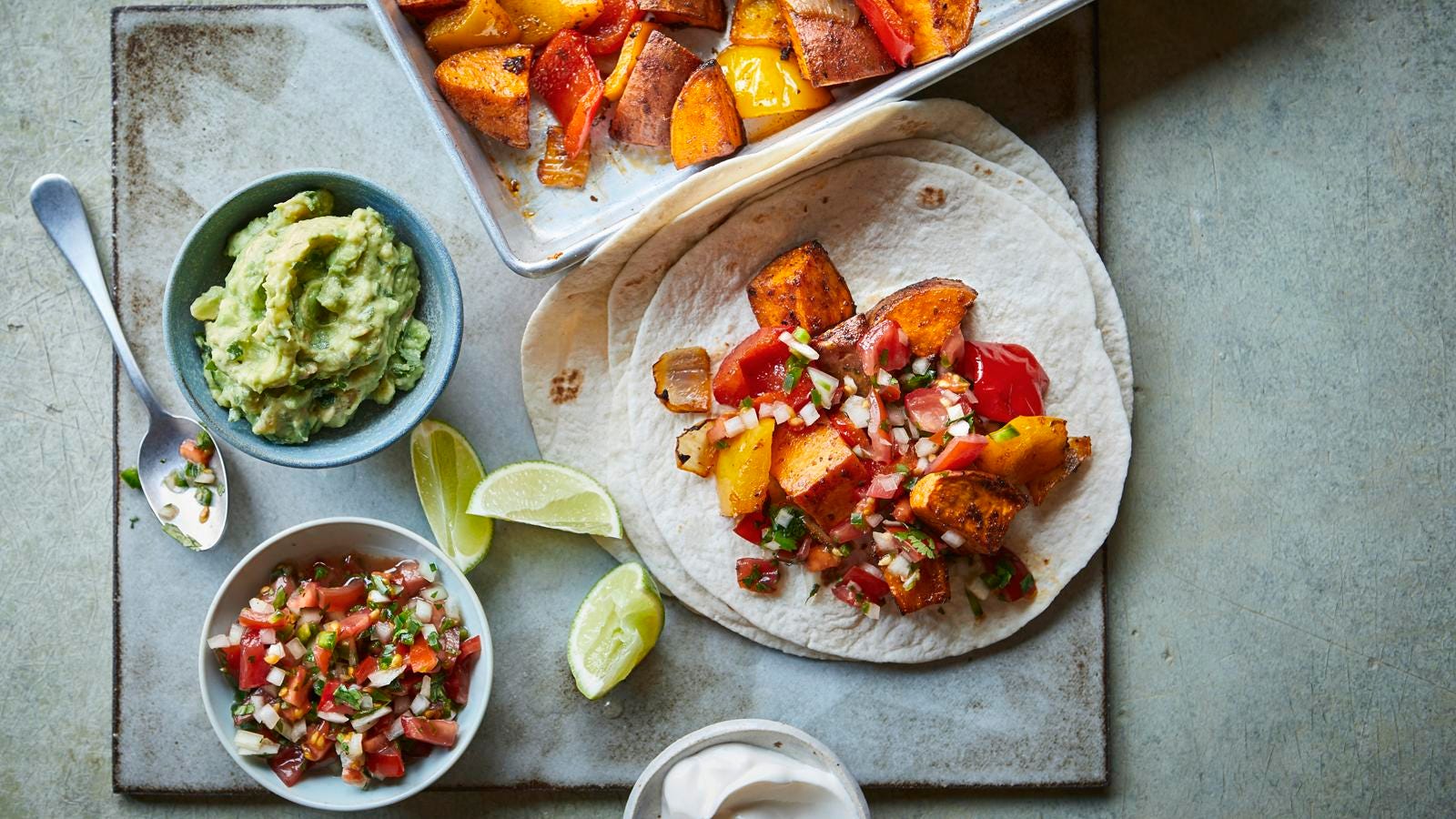
Starting with brown onions as a raw onion, you don’t usually think of them (red is more common, though the instruction to soak them in at least 20 minutes in cold water to get rid of the aftertaste stands) as such, but as I’ve just mentioned, soaked and finely chopped they can work their way nicely into salsas; last weekend this came as a bowl of chopped cucumber, onion, tomato and coriander at the curry house with popadoms, and brown onion is also what I chop (un-soaked) into my Pico de Gallo Salsa to go with Tex-Mex or Mexican-inspired meals. You can pickle them too, though I do grant red onions and shallots do these better, and grated raw they go into our family recipe for Christmas stuffing, and my Mother’s famously juicy turkey burgers.
If you slice, chop or dice an onion and quickly soften it in butter or oil you’re providing a savoury base of a recipe on which to build a sauce, or a savoury something to stir into batters and fillings; that you’ll always make better potato latkes with onion in the binding batter than without springs immediately to mind. Accompanied by other flavours you’ve got the backbone of any number of famed flavour profiles, from a bolognese (traditional or not) started with a soffritto, or Holy trinity in a gumbo which I’d argue is even more essential than mastering a good roux.
Returning to the instruction that caused such consternation at the start of this piece, I always add a pinch of salt to softening onions as it helps break them down in the pan, because regardless if you’re taking your onions to somewhere soft but not coloured (a risotto), lightly coloured (there are too many examples to count, potentially just point to whatever you were planning to make for dinner tonight), or very dark (the base of many Asian-style dishes) a little salt will go a long way towards helping them on this journey.
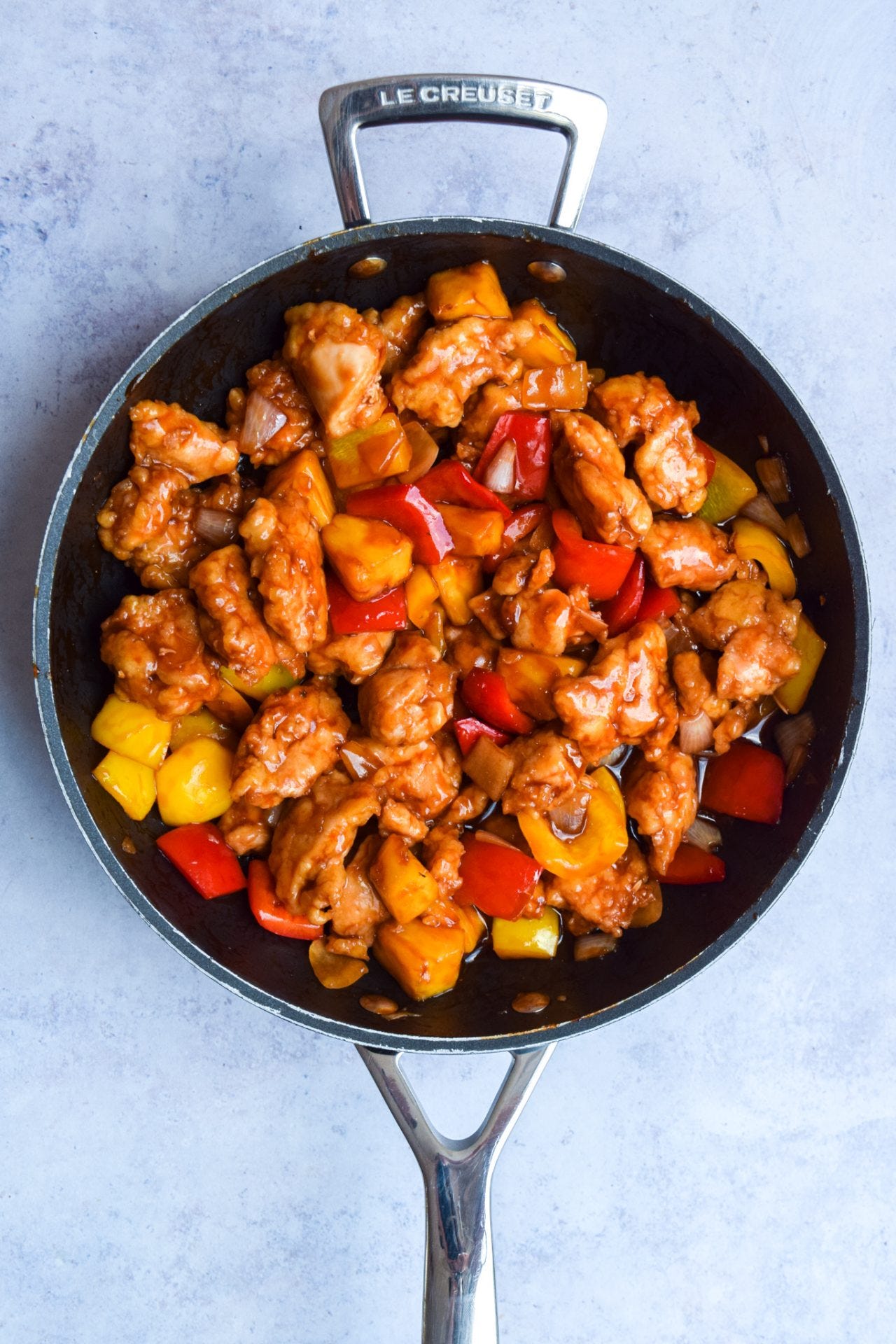
Of course, onions can also be added to the pan at the last minute; the key to replicating your favourite Chinese takeaway sweet and sour at home is to cook the onions and peppers quickly at such a high heat that they’re by no means raw, but still retain much more bite than you’d otherwise be looking for in a Western-style dish. And whilst we’re on the subject of cooking an onion quickly so it is only just not raw, let us return to the aforementioned bhaji where raw, batter-bound onion is flash fried to create crispy outers and tender, mellow onion middles. There is a similar science behind onion rings (when done well, though sadly they rarely are) and a steakhouse blooming onion.
But then they can also be halved or quartered to drop into sauces and stews without any prior assistance from soaking or application of heat: all you need to do to make Marcella Hanzan’s cult favourite tomato sauce is to trim and halve said onion before dropping it into the pot to give backbone and depth to your dinner.
Halved onions are also great at a very high heat for cleaning your barbecue or stovetop griddle, whilst we’re on the subject.


Returning to the pan, if you cook the onions low and slow enough you’ll reach the point where they’re a soft, dark, sticky reduction: caramelised onions. Whilst time consuming, I think are the greatest expression of an onions’s powers. Simmer them slowly with a good stock and you’ve got a classic French onion soup, though I prefer them loaded into a pastry crust for a quiche better suited to these cooler months.
Speaking of caramelisation, I agree with every other chef and prodigious home cook out there who tries to explain there is no way to speed up the process, no matter what an internet full of hacks may lead you to believe. But there is a happy medium to be had if it doesn’t matter if some of the onion is only 90% of the way there, and if they catch a little on the bottom of the pan, which brings us to this month’s first recipe.

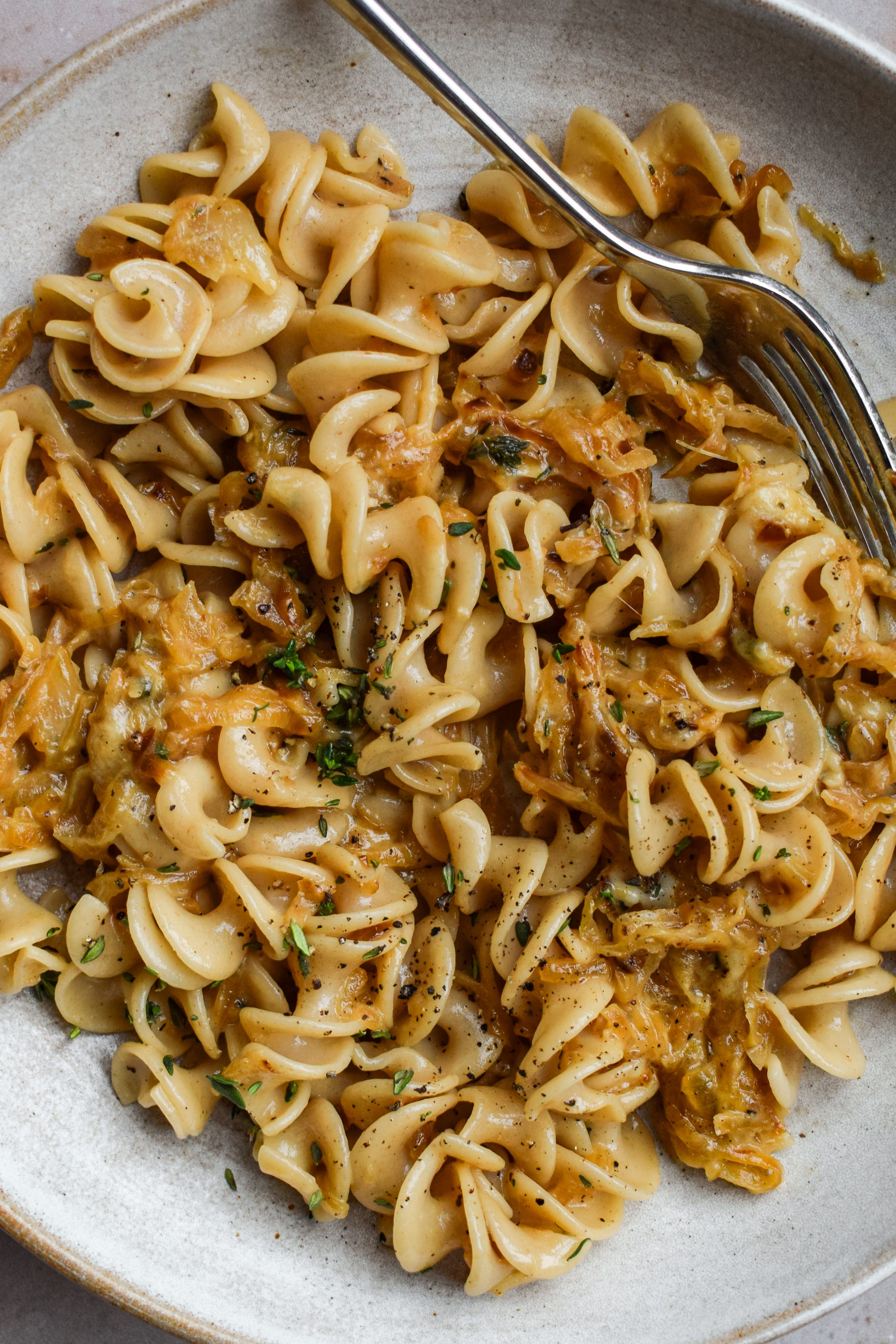
30-Minute Onion Butter Pasta (French Onion Soup Pasta)
Serves: 1, Preparation time: 5 minutes, Cooking time: 25 minutes
About 25 minutes, a medium low heat and plenty of good butter is what’s needed to reduce two thinly sliced onions into the base for a French Onion-ish pasta recipe that is just so very winter. With spelt pasta (you need the nuttiness to balance out the sweetness of the onions - wholemeal pasta would be a good substitute) as the base, some woody fresh thyme and some diced Jarlesburg cheese to bring it all together (a mild, nutty Norwegian cheese I’ve chosen here both for it’s melting ability and that it is one of the few cows milk cheeses I can eat with abandon because whatever they do to remove the lactose also seems to remove my own intolerance triggers!)
If you plan to double this to cook for more than just you, use the biggest pan you have or prepare to spend a little longer stirring at the stove.
30g unsalted butter
2 small brown onions, very finely sliced
sea salt
leaves from 3-4 sprigs fresh thyme (use your judgement on their size!)
90g spelt pasta (I like Northern Pasta Co.)
30g Jarlesburg cheese, diced (or something else mild and nutty that melts well)
cracked black pepper, to serve
Heat the butter in a medium-large frying pan set over a medium heat. Once it is frothy, add the onions and a good pinch of salt. Stir, and once they’re sizzling reduce the heat to medium low. Add the thyme leaves, and cook, stirring often, until they’re soft, golden, and reduced in volume. Stirring often means they won’t catch at a temperature a little higher than you’d usually used for caramelised onions - the larger surface area of the pan helps speed things up too.
However long from the end of the onions (which take about 20-25 minutes) you are cook the pasta in boiling salted water as per the packet instructions. I needed about 8 minutes to cook mine.
Scoop the pasta from the pot into the onions and give it a good stir. Add the Jarlesburg, and keep stirring until it has melted into the onions, adding more pasta water as needed to bring it all into a glossy sauce.
Serve immediately with plenty of cracked black pepper!
Onions could be my Desert Island Discs 'luxury'. You can't cook without them. When I lived in Moscow, they weren't available between the end of October and the following season's arrivals from Georgia in April. Cooked food became as grey and bland as the snow-laden skies.